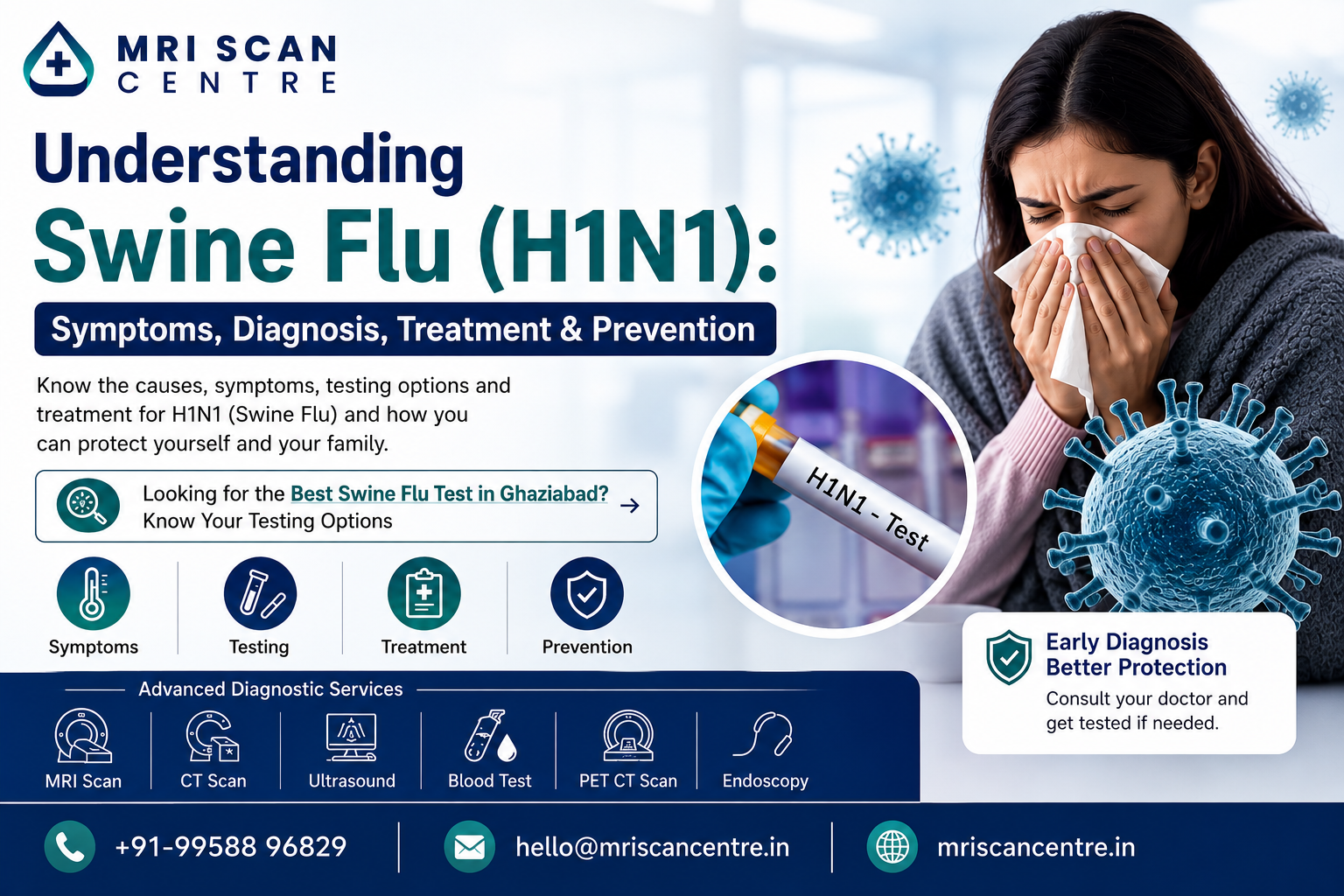

Swine flu, commonly known as H1N1 influenza, is a type of influenza infection that can affect people of all ages. It first gained worldwide attention during the 2009 pandemic and continues to occur as a seasonal illness.
Although many cases are mild, young children, older adults, pregnant women, and people with certain chronic health conditions may have a higher risk of complications. Early recognition, appropriate testing, and timely medical advice can help reduce the risk of serious illness.
In this blog, we discuss the causes, symptoms, swine flu testing, treatment options, and preventive measures you should know about.
What Is Swine Flu (H1N1)?
Swine flu is an infection caused by the H1N1 strain of influenza A virus. Although the virus was initially identified in pigs, the H1N1 strain can infect humans and spread from person to person.
In some cases, H1N1 infection can cause complications such as pneumonia, particularly in people who are more vulnerable to severe respiratory infections.
Vaccination, good hygiene, and timely medical evaluation can help reduce the risk of infection and complications.
What Causes Swine Flu and How Does It Spread?
H1N1 spreads in a similar way to seasonal influenza, mainly through respiratory droplets and close contact.
Common routes of transmission include:
- Respiratory droplets: When an infected person coughs, sneezes, or talks, respiratory droplets containing the virus may reach people nearby.
- Direct contact: Touching an infected person and then touching the eyes, nose, or mouth can increase the risk of infection.
- Contaminated surfaces: The virus can temporarily remain on commonly touched surfaces such as phones, tables, and doorknobs.
- Crowded environments: Schools, offices, public transport, and other enclosed crowded spaces can facilitate the spread of respiratory infections.
What Are the Symptoms of Swine Flu?
The symptoms of H1N1 can resemble those of seasonal influenza. Common symptoms include:
- Fever and chills
- Cough
- Sore throat
- Body aches
- Fatigue
- Headache
- Runny or blocked nose
Some people may also experience:
- Nausea or vomiting
- Diarrhoea
Severe Symptoms That Need Medical Attention
Seek medical attention promptly if symptoms become severe, particularly if there is:
- Difficulty breathing or shortness of breath
- Chest pain or pressure
- Persistent dizziness or confusion
- Severe or persistent vomiting
- Bluish lips or skin
Early medical evaluation is especially important for people at higher risk of complications.
Looking for the Best Swine Flu Test in Ghaziabad? Know Your Testing Options
If you are searching for the best swine flu test in Ghaziabad, it is important to understand that the appropriate test depends on the patient’s symptoms, timing of infection, and clinical assessment.
A doctor may recommend laboratory testing to confirm influenza infection.
RT-PCR Test for H1N1
Reverse Transcription Polymerase Chain Reaction (RT-PCR) is a commonly used laboratory method for detecting influenza viral genetic material and can help identify the specific influenza strain.
A sample is generally collected using a nasal or throat swab and sent to a laboratory for testing.
Rapid Influenza Diagnostic Test
Rapid influenza diagnostic tests can provide results quickly, sometimes within 15–30 minutes. However, their ability to distinguish specific influenza strains, including H1N1, can be limited.
Nasal or Throat Swab
A healthcare professional may collect a sample from the nose or throat for laboratory analysis. The choice of test depends on the clinical situation and the laboratory’s testing capabilities.
Additional Tests
When symptoms are severe or complications are suspected, doctors may recommend additional investigations such as:
- Blood tests
- Chest X-ray
- Other imaging or laboratory investigations
These tests can help evaluate complications such as pneumonia or other infections.
Swine Flu Testing and Diagnostic Services at MRIScan Centre
For people looking for diagnostic testing in Ghaziabad, MRIScan Centre provides a range of diagnostic services under one roof.
Depending on the doctor’s recommendation and the patient’s symptoms, available diagnostic services include:
- MRI Scan
- CT Scan
- Ultrasound
- Blood Test
- PET CT Scan
- Endoscopy
For suspected H1N1, the appropriate influenza test should be selected based on clinical evaluation and the advice of a qualified healthcare professional.
How Is Swine Flu Treated?
Treatment depends on the severity of infection and the individual’s overall health. Many mild cases can be managed with supportive care at home, while severe infections may require medical attention or hospitalisation.
Home Care and Symptom Management
For mild illness, supportive measures may include:
- Getting adequate rest
- Drinking plenty of fluids
- Eating nutritious foods
- Using appropriate medicines for fever and body aches as advised by a healthcare professional
- Using steam or a humidifier to help relieve nasal congestion
- Gargling with warm salt water for throat irritation
Medication should be taken according to medical advice, particularly in children, pregnant women, older adults, and people with existing health conditions.
Antiviral Medicines
For people at higher risk of complications or those with severe influenza, doctors may prescribe antiviral medicines.
Antiviral treatment can:
- Reduce the severity and duration of symptoms
- Lower the risk of complications
- Help prevent the illness from becoming more severe
Antiviral medicines are generally most effective when started early, often within the first 48 hours of symptom onset. However, treatment may still be beneficial later in certain severe or hospitalised cases.
When Is Hospitalisation Needed?
Severe H1N1 infection may require hospital care, particularly when complications such as pneumonia, respiratory failure, or significant oxygen deficiency develop.
Hospital treatment may include:
- Oxygen therapy
- IV fluids
- Antiviral medication
- Treatment of secondary bacterial infections when clinically indicated
- Continuous monitoring
- Intensive care and breathing support in critical cases
How Can You Prevent Swine Flu?
Prevention involves good hygiene, vaccination, and reducing exposure to respiratory infections.
Get Vaccinated
Annual influenza vaccination can help protect against influenza strains covered by the vaccine and reduce the risk of severe influenza illness.
People at higher risk should discuss influenza vaccination with their healthcare professional.
Maintain Good Hand Hygiene
- Wash your hands regularly with soap and water for at least 20 seconds.
- Use an alcohol-based hand sanitiser when soap and water are unavailable.
- Avoid touching your eyes, nose, and mouth with unwashed hands.
Follow Cough and Sneezing Etiquette
Cover your mouth and nose with a tissue or your elbow when coughing or sneezing. Dispose of tissues properly and wash your hands afterward.
Avoid Close Contact When Unwell
Try to avoid close contact with people who have flu-like symptoms. If you develop influenza-like symptoms, staying home and limiting contact with others can help reduce transmission.
Maintain a Healthy Lifestyle
Adequate sleep, hydration, regular physical activity, and a balanced diet can support overall health and immune function.
Avoid Crowded Places During High Transmission
If influenza activity is high in your area, consider limiting unnecessary time in crowded or poorly ventilated indoor spaces.
When Should You See a Doctor?
Most people with mild influenza recover with rest and supportive care. However, medical advice should be sought if symptoms are severe, persistent, worsening, or if the person belongs to a high-risk group.
Immediate medical attention is particularly important for symptoms such as breathing difficulty, chest pain, confusion, bluish lips or skin, or severe vomiting.
Frequently Asked Questions About Swine Flu
How long does it take to recover from swine flu?
Many people recover within one to two weeks. However, tiredness and mild symptoms may continue for several days after the main infection improves. Recovery can take longer in people with weakened immunity or underlying health conditions.
Can swine flu cause long-term health problems?
Most people do not develop long-term complications. However, severe infection can sometimes result in complications such as pneumonia or respiratory problems and may worsen existing conditions.
Can you get swine flu more than once?
Yes. Previous infection does not necessarily provide lifelong protection, and influenza viruses can change over time. Seasonal influenza vaccination can help reduce the risk of influenza and severe illness.
Does swine flu spread through properly cooked pork?
No. H1N1 spreads primarily through respiratory transmission between people. Properly cooked pork and pork products are not considered a route of H1N1 transmission.
Are pregnant women at higher risk of complications?
Yes. Pregnancy can increase the risk of severe influenza complications. Pregnant women with flu-like symptoms should seek medical advice promptly.
How long is a person with swine flu contagious?
People with influenza can generally spread the virus from around one day before symptoms begin and for several days afterward. The contagious period can be longer in some people, particularly those with severe illness or weakened immune systems.
Final Takeaway
Swine flu (H1N1) can often be managed successfully when recognised early, but it should not be ignored when symptoms become severe. Understanding the symptoms, following preventive measures, and getting appropriate testing when recommended can help with timely diagnosis and management.
If you are looking for best swine flu testing in Ghaziabad, consult a healthcare professional to determine which test is appropriate for your symptoms. mriscancentre offers diagnostic facilities including MRI Scan, CT Scan, Ultrasound, Blood Test, PET CT Scan, and Endoscopy, helping patients access a range of diagnostic investigations based on medical requirements.