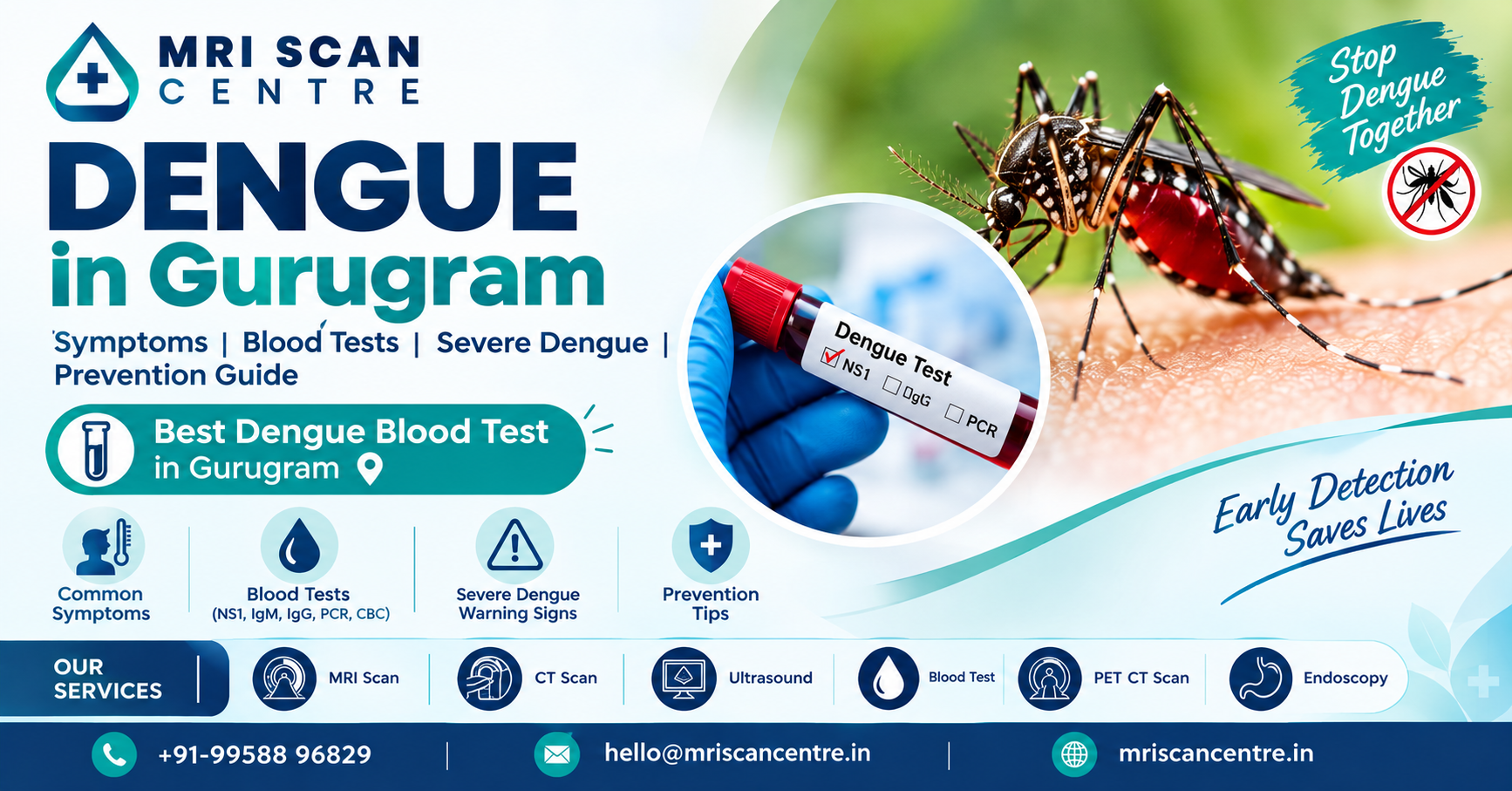

Dengue is a mosquito-borne viral infection that is common in tropical and subtropical regions, including India. It is mainly transmitted through the bite of infected Aedes mosquitoes. While most people recover with proper medical care, some cases can progress to severe dengue and require urgent treatment.
Understanding dengue symptoms, warning signs, available blood tests, and prevention measures can help patients seek timely medical attention. If you are searching for the best dengue blood test in Gurugram, choosing the right diagnostic test based on the stage of infection is important.
What Is Dengue Fever?
Dengue fever is caused by the dengue virus (DENV). There are four main dengue virus serotypes:
- DENV-1
- DENV-2
- DENV-3
- DENV-4
A person can get dengue more than once because infection with one serotype does not provide lifelong protection against all other serotypes. A subsequent infection may carry a higher risk of severe dengue in some people.
Most dengue infections cause fever and flu-like symptoms and improve within one to two weeks. However, some patients can develop complications that require hospital-based care.
Common Symptoms of Dengue
Dengue symptoms can range from mild to severe. Common symptoms include:
- High fever
- Severe headache
- Muscle, bone, or joint pain
- Pain behind the eyes
- Nausea and vomiting
- Swollen glands
- Skin rash
- Weakness and fatigue
A rash may appear a few days after the fever starts. Since dengue symptoms can resemble other viral and infectious illnesses, laboratory testing may be recommended.
What Is Severe Dengue?
Severe dengue is a serious complication of dengue infection that can involve significant plasma leakage, severe bleeding, or major organ involvement.
Patients should be monitored carefully, especially when the fever begins to decrease, as warning signs of severe dengue may develop during this period.
Warning Signs of Severe Dengue
Seek urgent medical attention if a person with suspected or confirmed dengue develops:
- Severe abdominal pain or tenderness
- Persistent vomiting
- Bleeding from the nose or gums
- Blood in vomit or stool
- Unusual bruising or bleeding
- Extreme weakness or restlessness
- Rapid or difficult breathing
- Confusion or difficulty staying awake
- Signs of poor circulation or shock
These symptoms can indicate severe dengue and should not be ignored.
What Is Dengue Hemorrhagic Fever?
Dengue hemorrhagic fever (DHF) is an older term used to describe a severe form of dengue associated with bleeding and increased vascular permeability.
Modern medical classification generally focuses on dengue with or without warning signs and severe dengue. Severe dengue can involve severe bleeding, plasma leakage leading to shock, or significant organ impairment.
Therefore, DHF is better understood as a historical classification of severe dengue rather than a separate dengue virus type.
What Is Dengue Shock Syndrome?
Dengue shock syndrome (DSS) is another older term associated with severe dengue. It can occur when plasma leakage causes circulatory failure and shock.
Possible signs include:
- Very low blood pressure
- Rapid breathing
- Extreme weakness
- Cold or clammy skin
- Restlessness or confusion
- Reduced urine output
Dengue-related shock is a medical emergency requiring immediate hospital treatment.
How Is Dengue Diagnosed?
Dengue diagnosis may involve symptoms, physical examination, medical history, and laboratory testing.
Depending on the stage of infection, a healthcare professional may recommend:
NS1 Antigen Test: Commonly used during the early phase of dengue infection.
Dengue IgM Test: May help identify a recent dengue infection as the immune response develops.
Dengue IgG Test: Can provide information about previous exposure or infection.
PCR-Based Testing: Can detect dengue viral genetic material during the early stage in appropriate clinical settings.
Complete Blood Count (CBC): Helps monitor platelet count, white blood cells, haemoglobin and other blood parameters.
The most appropriate test depends on when the symptoms started and the patient’s clinical condition.
Best Dengue Blood Test in Gurugram: Which Test May Be Needed?
If you are looking for the best dengue blood test in Gurugram, there is no single test that is ideal for every stage of dengue infection.
During the early stage of illness, doctors may recommend an NS1 antigen test or PCR-based testing. Later in the illness, IgM and IgG antibody testing may become more useful. A CBC may also be recommended to monitor platelet counts and other blood parameters.
A healthcare professional can help determine which test is appropriate based on symptoms, illness duration, and clinical findings.
Diagnostic Services at mriscancentre
MRIScanCentre provides a range of diagnostic and imaging services to support patients with different healthcare needs.
Services include:
- MRI Scan
- CT Scan
- Ultrasound
- Blood Test
- PET CT Scan
- Endoscopy
For suspected dengue, appropriate blood testing can help healthcare professionals evaluate the infection and monitor relevant blood parameters.
How Can Dengue Be Prevented?
Preventing mosquito bites and reducing mosquito breeding sites are important ways to lower the risk of dengue.
- Protect Yourself From Mosquito Bites
- Wear clothing that covers your arms and legs.
- Use an appropriate mosquito repellent as directed.
- Install mosquito screens on windows and doors.
- Use mosquito nets, particularly when resting during the day.
- Follow local public-health recommendations for mosquito control.
- Prevent Mosquito Breeding
Aedes mosquitoes can breed in small amounts of stagnant water. To reduce breeding:
- Empty containers that collect water.
- Keep water-storage containers covered.
- Clean and scrub water containers regularly.
- Dispose of items that can collect rainwater.
- Check flowerpots, coolers, tyres, and outdoor containers for standing water.
- Seek Medical Advice When Symptoms Appear
If you develop high fever with severe headache, body pain, nausea, vomiting, rash, or other symptoms associated with dengue, consult a healthcare professional.
Do not rely on symptoms alone to confirm dengue. Appropriate laboratory testing may be required.
Frequently Asked Questions About Dengue
- What are the four types of dengue virus?
The dengue virus has four main serotypes: DENV-1, DENV-2, DENV-3, and DENV-4. All four can cause dengue infection and, in some cases, severe disease.
- Is dengue hemorrhagic fever different from dengue fever?
Dengue hemorrhagic fever is an older classification used for a severe presentation involving bleeding and plasma leakage. Current classification generally uses the term severe dengue.
- What is dengue shock syndrome?
Dengue shock syndrome is an older term describing severe dengue in which plasma leakage can cause circulatory shock. It requires immediate medical treatment.
- Which blood test is used for dengue?
Depending on the stage of infection, doctors may recommend an NS1 antigen test, IgM/IgG antibody testing, or PCR-based testing. A CBC may also be used to monitor platelet counts and other blood parameters.
- Can dengue become serious?
Yes. Although many people recover without serious complications, some patients can develop severe dengue. Persistent vomiting, severe abdominal pain, bleeding, breathing difficulties, extreme weakness, or altered mental status require urgent medical evaluation.
- Where can I get the best dengue blood test in Gurugram?
If you are searching for the best dengue blood test in Gurugram, MRIScanCentre provides blood testing along with MRI Scan, CT Scan, Ultrasound, PET CT Scan, and Endoscopy services. The appropriate dengue test should be selected according to the stage of infection and medical advice.
Final Thoughts
Dengue can range from a mild febrile illness to severe disease requiring hospital care. Recognising the symptoms and warning signs early can help patients seek medical attention at the right time.
If you need dengue testing or other diagnostic investigations, MRIScanCentre offers Blood Tests, MRI Scan, CT Scan, Ultrasound, PET CT Scan, and Endoscopy services. For patients searching for the best dengue blood test in Gurugram, selecting the appropriate test according to the stage of infection and guidance from a healthcare professional is essential.